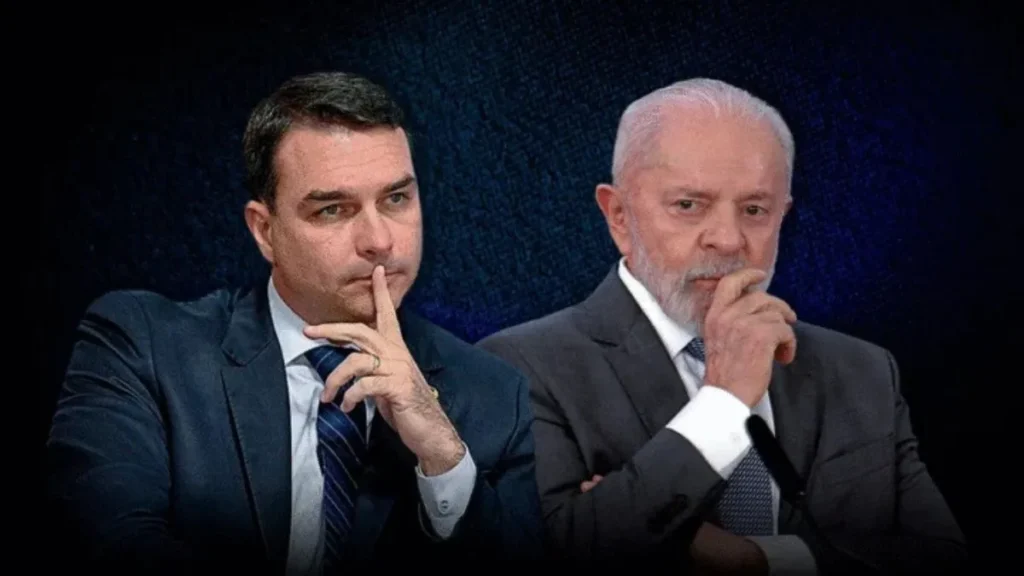
BRASÍLIA — Under the unrelenting sun of the Central Plateau, the Brazilian capital churned on Friday in a frenzy of signatures, handshakes, and mathematical calculations for political survival. The closing of the “electoral window” and the final deadline for ministers to step down from their posts have transformed the halls of the National Congress into a high-speed chessboard, redrawing the alliances for the upcoming October general elections.
The Cabinet Shuffle
In the last 24 hours, President Luiz Inácio Lula da Silva’s administration underwent its most profound metamorphosis since his inauguration. At least 18 ministers have departed the Esplanade to seek seats in the Senate or state governorships. Among the most notable departures is Vice President Geraldo Alckmin, who stepped down from his role as Industry Minister to focus on the reelection bid.
This mass exodus forces the Planalto Palace into a forced cabinet reshuffle in the heat of an election year, as the government scrambles to maintain momentum on key economic initiatives, including efforts to contain rising oil and fertilizer prices.
“What we are witnessing today is not merely a swap of titles, but the formal launch of the 2026 campaign,” said a senior political analyst based in Brasília. “Lula is trading his field generals for administrators who must keep the machinery running while the real politics bleed onto the campaign trail.”
The Strengthening of the Center and Renewed Polarization
The party-switching window—the legal period during which lawmakers can change affiliations without forfeiting their seats—has solidified the hegemony of large centrist and right-wing coalitions. The Liberal Party (PL) has emerged as a formidable force, consolidating its base as it prepares for a robust opposition campaign, even with its symbolic leader, Jair Bolsonaro, remaining ineligible following a Supreme Court conviction.
Meanwhile, the rise of the center-right Social Democratic Party (PSD), led by power broker Gilberto Kassab, signals an attempt to create a “third axis” to break the long-standing tug-of-war between Lula’s Workers’ Party (PT) and the Bolsonarista right. With governors like Ronaldo Caiado and Eduardo Leite eyeing the presidency, the field is becoming increasingly crowded and complex.
Institutional Tensions on the Horizon
The political calm remains superficial. At the Supreme Court (STF), the atmosphere is one of counter-offensive. Justice Edson Fachin recently defended the Court’s role as the guardian of the Constitution, pushing back against international scrutiny of Brazil’s judicial decisions.
The 2026 election is shaping up to be more than a choice of names; it is evolving into a referendum on the Judiciary’s role in Brazilian democracy and the country’s ability to govern itself amidst deep polarization and shifting global pressures.
The Road to October
With the deadline for candidate registration and executive resignations set for Saturday, April 4th, the focus now shifts to the grassroots. Party machines are fueled, and the primary contenders are taking their marks. Brazil has entered a state of “permanent campaign,” where every infrastructure auction and every congressional vote will be viewed through the lens of the October ballot boxes.
Follow our continuing coverage of Latin American politics and the 2026 electoral cycle in our Global section.